
Exploring the Rich Traditions and Practices of Aklanon Lent Celebrations

Exploring the Rich Traditions and Practices of Aklanon Lent Celebrations
Nestled in the heart of the Philippines, the province of Aklan boasts a tapestry of vibrant cultural heritage that comes alive during its Lent celebrations. As the Lenten season envelops this picturesque region, it transforms into a haven of spiritual reflection and community unity. The Aklanon people, with their unique blend of faith and culture, showcase an array of traditions that captivate the soul and invigorate the senses.
The Aklanon Lent celebrations are not just religious observances; they are a testament to the enduring spirit of the community. From the solemn processions that wind through the streets to the joyous family gatherings filled with laughter and love, every aspect of these celebrations is steeped in meaning. It’s a time when Aklan’s rich folklore and stories come to life, as old and young alike partake in rituals passed down through generations.
For those exploring Aklan during this period, the Holy Week practices offer a window into the spiritual significance of Lent within the Aklanon community. Pilgrimages to sacred sites become journeys of faith, while the sound of traditional music echoes through the air. Artisans craft intricate pieces, showcasing the creativity and devotion of local artists, while the tantalizing aroma of Aklan’s local cuisine invites visitors to savor traditional Lenten recipes.
The Aklanon community embraces sustainable practices during Lent, reflecting a deep respect for nature and its bounty. This eco-conscious approach is evident in their art, crafts, and even in the culinary traditions that highlight locally sourced ingredients. As you delve deeper into the cultural mosaic of Aklan, you will discover how these practices not only preserve the environment but also strengthen the bonds within the community.
In today’s fast-paced world, the Aklanon Lent celebrations offer a refreshing pause—a chance to reconnect with faith, family, and nature. Whether you’re drawn by the allure of Aklan’s unique Lenten customs or the opportunity for community service, these celebrations promise a meaningful experience. With the involvement of the Aklanon youth, the future of these traditions shines brightly, ensuring their continuity for generations to come.

Introduction to Aklanon Lent Celebrations
Lent is a significant period in Christianity, observed by millions worldwide as a time of reflection, sacrifice, and preparation for Easter. This sacred season lasts for 40 days, symbolizing Jesus Christ’s journey in the desert, where he fasted and resisted temptation. Christians often engage in fasting, prayer, and almsgiving during Lent, emphasizing spiritual renewal and growth.
Nestled in the heart of the Philippines, the Aklan region is renowned not only for its stunning natural beauty but also for its vibrant cultural heritage. Known for the famous Ati-Atihan Festival, Aklan is home to a rich tapestry of traditions, deeply rooted in its religious and cultural practices. The Aklanon people take great pride in their unique ways of celebrating Lent, which combines both solemn reflections and community involvement.
The Importance of Lent in Aklanon Culture
In Aklan, Lent is more than a religious observance; it is a profound cultural event that unites communities. The Aklanon Lent celebrations are marked by a series of distinctive practices that reflect the region’s deep faith and communal spirit. These traditions include processions, performances, and communal gatherings that foster a sense of unity and devotion among the locals.
| Aklanon Lent Practices | Description |
|---|---|
| Pabasa | A continuous chanting of the Passion of Christ, often done in homes or chapels. |
| Processions | Devotional parades featuring statues of saints and biblical figures, drawing large crowds. |
The significance of Lent in Aklanon culture is further highlighted by the involvement of various generations, ensuring that these rich traditions are passed down and preserved. Through these celebrations, the Aklanon people express their faith and reinforce the values of sacrifice, empathy, and community support, making Lent a cherished time for reflection and togetherness.
Historical Background of Lent in Aklan
Origins of Lent in the Philippines
The tradition of Lent, a significant observance in Christianity, found its way to the Philippines during the Spanish colonization in the 16th century. Spanish missionaries introduced Lent as part of their efforts to convert the local population to Catholicism. This period of penance and reflection became deeply embedded in the cultural fabric of the region, with each locale adding its unique touch to the observance.
The Spread of Christianity in Aklan
Aklan, a province on the island of Panay, was no exception to the spread of Christianity. The arrival of Spanish friars brought about significant religious and cultural transformation. These missionaries established churches and religious schools, making Christianity the cornerstone of spiritual life in Aklan. Over time, the local population embraced these teachings, leading to the widespread celebration of Lent. This observance became not just a religious duty but also a community event that fostered unity and reflection.
Influence of Spanish Colonization on Aklanon Lent Practices
Spanish colonization left a lasting imprint on how Lent is celebrated in Aklan. The influence is evident in the various customs and rituals observed during this holy season. Traditional practices, such as processions and reenactments of the Passion of Christ, are reminiscent of Spanish religious ceremonies. The “Pabasa,” a continuous chanting of the Passion story, is a notable practice during Lent in Aklan, reflecting the integration of Spanish liturgical traditions with local culture.
These historical influences have shaped a distinct form of Lent in Aklan that combines deep religious devotion with vibrant cultural expressions. As Aklanons observe Lent, they not only honor their faith but also celebrate a rich heritage that has been passed down through generations.
Unique Traditions of Aklanon Lent
The Ati-Atihan Festival’s Connection to Lent
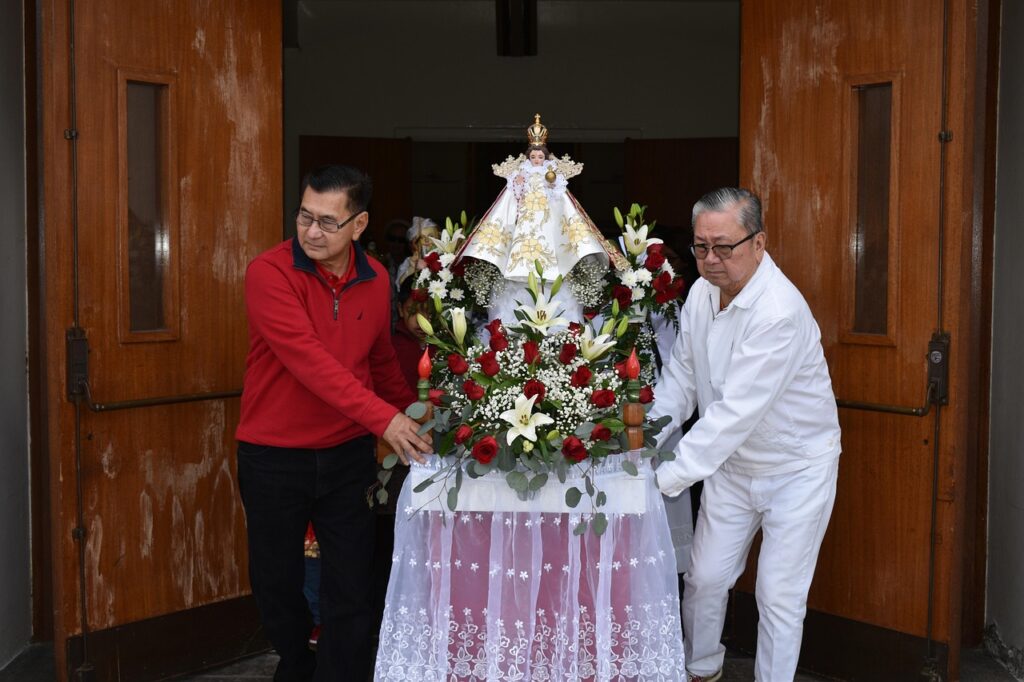
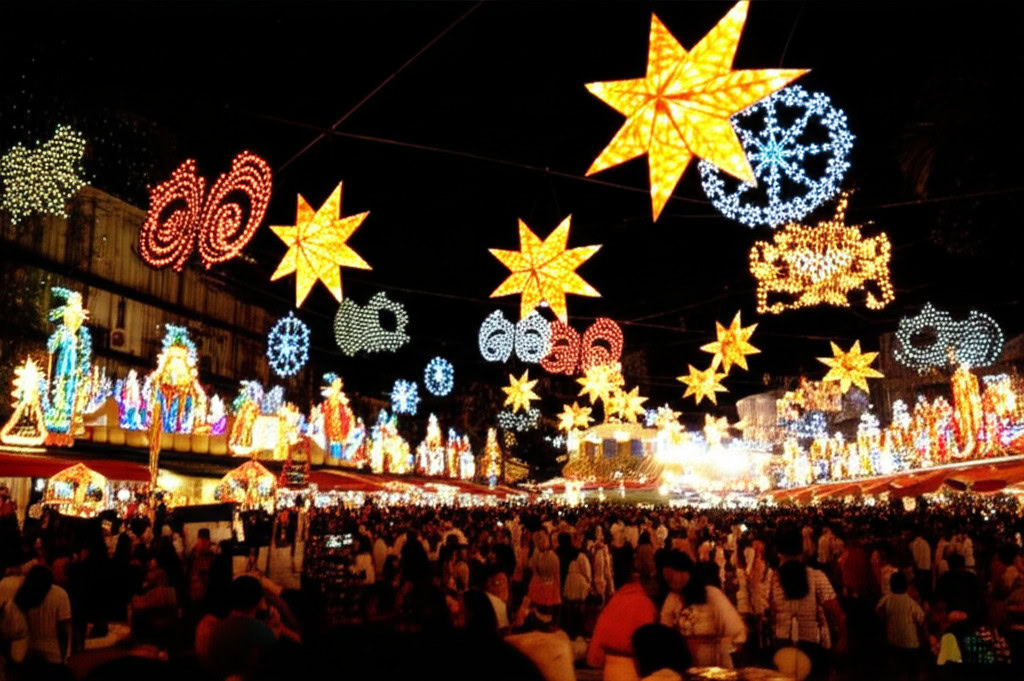
The Ati-Atihan Festival, celebrated in January, is deeply intertwined with Aklanon Lent traditions. This vibrant festival honors the Santo Niño, or the Holy Child Jesus, marking the start of a spiritual journey leading into Lent. The festival’s lively street parades and rhythmic drumbeats echo the community’s devotion, transitioning from festive celebration to a period of reflection and penance during Lent.
The Role of ‘Pabasa’
‘Pabasa’ holds a special place in Aklanon Lent celebrations. This tradition involves the chanting of the Passion of Christ in poetic Filipino verses. Families gather at homes or chapels, taking turns to ensure the Pabasa continues uninterrupted, often for 24 hours. This practice not only strengthens community ties but also deepens the spiritual engagement of participants by immersing them in the story of Christ’s sacrifice.
The Significance of Processions and Religious Icons
Processions are a cornerstone of Aklanon Lent, where religious icons are paraded through towns, symbolizing the journey of Christ. These processions, often adorned with flowers and candles, offer a visual representation of faith and tradition. The most awaited is the Good Friday procession, drawing locals and tourists who follow the icons through the streets, reflecting on the passion and death of Christ.
Traditional Foods and Fasting Practices
Lent in Aklan is marked by unique culinary traditions and fasting practices. While abstaining from meat, families prepare ‘binignit’, a sweet coconut milk-based dish filled with root crops and fruits. This communal preparation and sharing of food emphasize the spirit of sacrifice and togetherness. Fasting is observed with sincerity, allowing individuals to reflect on their personal sacrifices and spiritual growth.
| Tradition | Description |
|---|---|
| Ati-Atihan Festival | A festive prelude to Lent celebrating the Santo Niño with parades and music. |
| Pabasa | Continuous chanting of the Passion of Christ in poetic form. |
| Processions | Community parades featuring religious icons, especially on Good Friday. |
| Traditional Foods | Special dishes like ‘binignit’ prepared during fasting periods. |
Community Involvement in Aklanon Lent
Role of Local Churches and Clergy
The heart of the Aklanon Lent celebrations is deeply rooted in the local churches, where the clergy play a pivotal role. These religious leaders not only guide spiritual practices but also orchestrate various activities that bring the community together. Every year, they arrange special masses and processions that are central to the observance of Lent. These events often include reenactments of the Passion of Christ, which are both educational and spiritually enriching for attendees.
Participation of Various Community Groups
A diverse range of community groups actively participate in the Aklanon Lent traditions. From youth organizations to women’s clubs, each group contributes uniquely to the celebrations. These groups often collaborate with churches to organize events such as prayer vigils, choir performances, and cultural shows. Such participation not only enhances the communal bond but also ensures the preservation and transmission of cultural values to younger generations.
Charitable Activities and Outreach Programs During Lent
Lent is a time for reflection and giving back to the community, and Aklanons take this to heart through numerous charitable initiatives. Local organizations and volunteers engage in outreach programs aimed at helping the less fortunate. Activities often include food drives, fundraising for local charities, and visits to orphanages and elderly homes. These acts of kindness are seen as essential expressions of faith and compassion, reinforcing the spirit of Lent.
| Community Group | Activity | Impact |
|---|---|---|
| Youth Organizations | Prayer Vigils | Fosters unity and spiritual growth among young people |
| Women’s Clubs | Cultural Shows | Preserves cultural heritage and traditions |
| Local Charities | Food Drives | Provides essential support to those in need |
Through the committed involvement of churches, community groups, and various outreach programs, the Aklanon Lent celebrations exemplify a rich tapestry of tradition and communal spirit. This collective effort not only enhances the observance of Lent but also strengthens the cultural and social fabric of the Aklan community.
Modern Adaptations of Lent Practices
The rich traditions of Aklanon Lent celebrations have evolved significantly due to modernization. As the world changes, so do the ways in which people observe Lent. Today, the integration of modern elements into these practices is evident, reflecting both a respect for tradition and an embrace of contemporary life.
Changes in Celebration Due to Modernization
Modernization has led to a shift from elaborate, time-consuming religious rites to more simplified, yet meaningful observances. Many families now opt for smaller, intimate gatherings rather than large public events. This change allows individuals to focus on personal reflection and spirituality while maintaining their busy lifestyles. The essence of Lent remains intact, but the methods of participation have adapted to fit modern schedules.
The Impact of Digital Technology on Lent Observances
Digital technology has profoundly impacted how Lent is celebrated today. Online platforms and social media have become tools for sharing Lenten reflections and prayers. Churches now live-stream services, making them accessible to those who cannot attend in person. Additionally, mobile apps provide daily meditation prompts and scripture readings, helping users deepen their connection with the spiritual aspects of Lent.
| Traditional Practice | Modern Adaptation |
|---|---|
| Public Processions | Virtual Prayer Meetings |
| Physical Fasting | Digital Detox |
How Younger Generations Engage with Lent Today
Younger generations are redefining how they engage with Lent, often incorporating it into their digital lives. Many use social media to share their Lenten journeys, fostering a sense of community and accountability. Others participate in challenges like “40 Days of Gratitude,” where they post daily about things they are thankful for. This not only keeps them connected with their faith but also encourages positive mental health practices.
Through these modern adaptations, Lent remains a vibrant and evolving tradition that continues to resonate with people of all ages, especially as they navigate the complexities of contemporary life.
Cultural Significance of Aklanon Lent Celebrations
Preservation of Cultural Identity Through Lent
The Aklanon Lent celebrations serve as a powerful medium for preserving the rich cultural heritage of the Aklan region. These traditions, deeply rooted in religious beliefs, are passed down through generations, ensuring that the unique identity of the Aklanon people remains vibrant and alive. Rituals such as the “Pasyon,” a dramatic retelling of Christ’s passion, allow locals to connect with their ancestors’ practices, fostering a sense of belonging and cultural pride.
Impact on Local Tourism and Economy
The Aklanon Lent festivities significantly boost local tourism, drawing visitors from across the Philippines and beyond. Tourists are attracted by the colorful processions, intricate costumes, and the community’s heartfelt devotion. This influx of visitors stimulates the local economy, benefiting businesses such as hotels, restaurants, and souvenir shops. The celebrations also provide local artisans with opportunities to showcase and sell traditional crafts, further enhancing the economic impact.
| Economic Benefits | Description |
|---|---|
| Increased Tourism | Attracts national and international visitors |
| Business Growth | Boosts sales for local businesses |
| Artisan Support | Promotes traditional crafts and arts |
Role in Strengthening Community Bonds
Aklanon Lent celebrations play a crucial role in strengthening community bonds. The collective participation in religious activities fosters unity among community members. Events like the “Siete Palabras” bring people together to reflect and pray, creating a shared spiritual experience that transcends individual differences. This communal aspect of the celebrations helps build solidarity and reinforces social ties within the community.
Comparisons with Other Regional Lent Celebrations
Similarities with Other Filipino Lent Traditions
Throughout the Philippines, Lent is marked by deep spiritual reflection and communal activities. Much like other regions, Aklanons participate in processions and reenactments of biblical events. The Pabasa, a continuous chanting of the Passion of Christ, is a common practice shared with neighboring provinces. This tradition reflects a nationwide devotion to faith and community, fostering a collective sense of religious identity.
Differences from Neighboring Regions’ Practices
Despite these similarities, Aklanon Lent celebrations have unique elements that set them apart. Unlike some neighboring regions, Aklan places a significant emphasis on the use of traditional music during Lent. Instruments such as the tambourine and kulintang are often featured, adding a distinct local flavor to the rituals. Furthermore, Aklanons are known for their vibrant street dances that accompany processions, a stark contrast to the more somber marches seen in other areas.
Influence of Global Lent Traditions on Aklanon Practices
The influence of global Lent traditions is increasingly evident in Aklan. As international travel and cultural exchange grow, elements such as Ash Wednesday services and Holy Week retreats have become more prevalent. These practices reflect a blending of local customs with broader Christian traditions observed worldwide. Moreover, the incorporation of digital media for broadcasting religious services is a modern adaptation, allowing wider participation and connection with the global Christian community.
| Aspect | Aklanon Lent | Other Filipino Regions |
|---|---|---|
| Processions | Vibrant with music and dance | Generally somber and reflective |
| Music | Traditional instruments like tambourine | Varies, often less musical focus |
| Global Influence | Increasingly adopting international practices | Adoption varies by region |
These comparisons highlight the rich tapestry of Lent traditions in Aklan, showcasing both the shared heritage and unique adaptations that characterize its celebration of this sacred season.
Challenges and Future of Aklanon Lent Traditions
The rich and vibrant Lent traditions in Aklan face significant challenges in today’s rapidly changing world. One of the primary difficulties is the dwindling number of young people participating in traditional practices, as modern lifestyles and global influences become more dominant. Many youth find themselves drawn to digital entertainment and social media, which often overshadow cultural engagements.
Efforts by Local Governments and Organizations
To counter these challenges, local governments and cultural organizations have been proactive in preserving Aklanon Lent traditions. They organize workshops and community events aimed at educating younger generations about the significance of these practices. Efforts have also been made to integrate traditional elements into school curriculums, ensuring that students appreciate and understand their cultural heritage.
Moreover, tourism initiatives are being developed to attract visitors, not only boosting the local economy but also raising awareness about the unique Lent celebrations in Aklan. These initiatives highlight the importance of maintaining cultural identity while embracing modernization.
Predictions for the Future
Looking ahead, the future of Aklanon Lent traditions will likely depend on continuous community engagement and innovation in preserving these practices. If current efforts to involve the youth and incorporate technology prove successful, there is hope for a resurgence in interest. This might see traditional practices being adapted to fit contemporary contexts without losing their essence.
| Challenges | Efforts | Future Predictions |
|---|---|---|
| Decline in youth participation | Workshops and educational programs | Increased youth involvement through modernization |
| Global cultural influences | Tourism and cultural events | Integration with modern lifestyles |
Ultimately, the preservation of Aklanon Lent traditions will require a delicate balance between honoring the past and welcoming the future, ensuring these rich customs continue to thrive for generations to come.
Conclusion
The rich tapestry of Aklanon Lent celebrations is a testament to the deep-rooted cultural traditions and the resilient spirit of the Aklanon community. From its historical origins to the vibrant, unique customs that define Lent in Aklan, these practices not only serve as a spiritual journey but also a communal one. The various traditions, such as the solemn processions and community gatherings, highlight the collective commitment to preserving cultural identity.
As we explore modern adaptations of Lent practices, it’s evident that while changes occur, the essence of Aklanon Lent remains steadfast. This celebration continues to hold cultural significance, offering a distinct contrast to other regional Lent observances across the Philippines. Despite facing challenges, such as modernization and globalization, the future of Aklanon Lent traditions seems promising, thanks to the dedicated involvement of the community and efforts to sustain these cherished customs.
In comparing Aklanon Lent with other regions, it becomes clear that each area offers its own unique flavor to the Lent experience. The continued evolution of these practices ensures that Aklanon Lent remains a dynamic and integral part of both cultural and spiritual life. As we look to the future, the rich traditions of Aklanon Lent will undoubtedly continue to inspire and bring together communities, celebrating a shared heritage.