

Chores In The United States Vs The Philippines

7 Minutes Read Time
Losing domestic help is one of the most challenging adjustments for immigrant families from the Philippines. The parents, accustomed to having all household tasks handled by a helper, will face a significant shift in their daily lives. The key to managing this change is a combination of technology, shared family responsibility, and support from relatives who are already settled in the U.S.
The Role of Technology in Replacing Domestic Help
The American household has evolved with a range of technologies and services designed to simplify daily life. Many of these are now considered standard and can significantly reduce the burden of chores.
Cleaning and Home Maintenance:
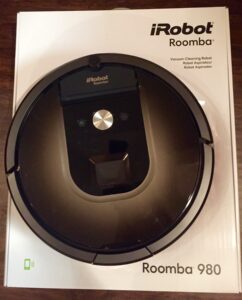
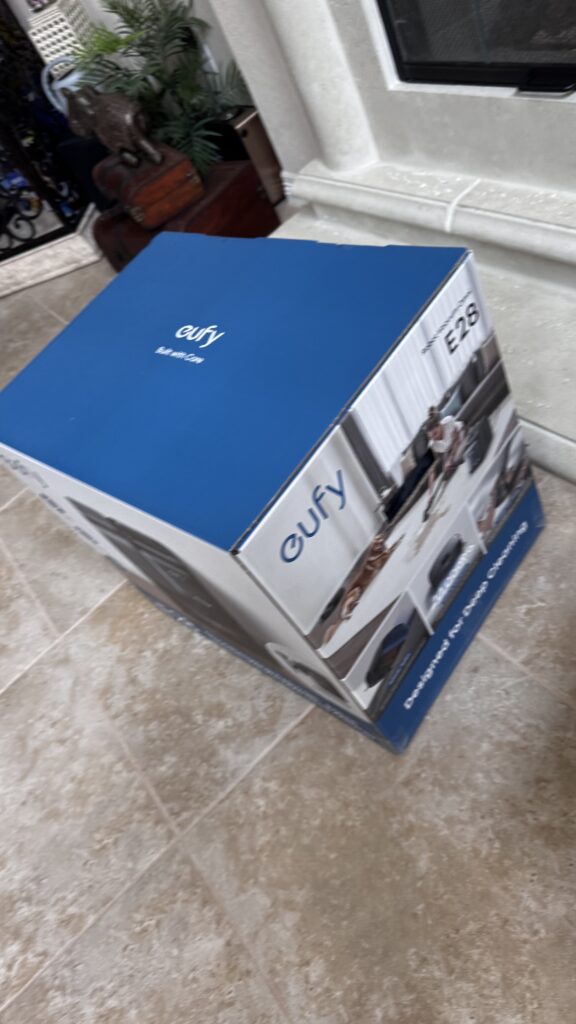
- Robotic Vacuums & Mops: Devices like Roomba, iRobot, Eufy vacuum and mop combo, can be scheduled to vacuum and mop floors automatically. This eliminates the daily task of sweeping and mopping, which is a significant time-saver.
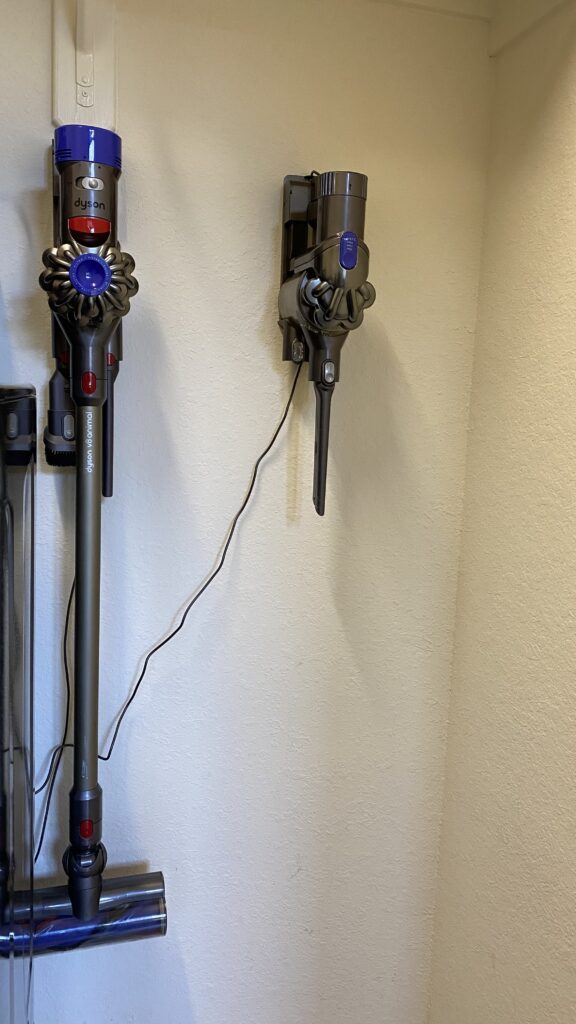
- Handheld and Cordless Vacuums: For quick spills or small messes, a lightweight, cordless vacuum is much more convenient than a broom and dustpan.
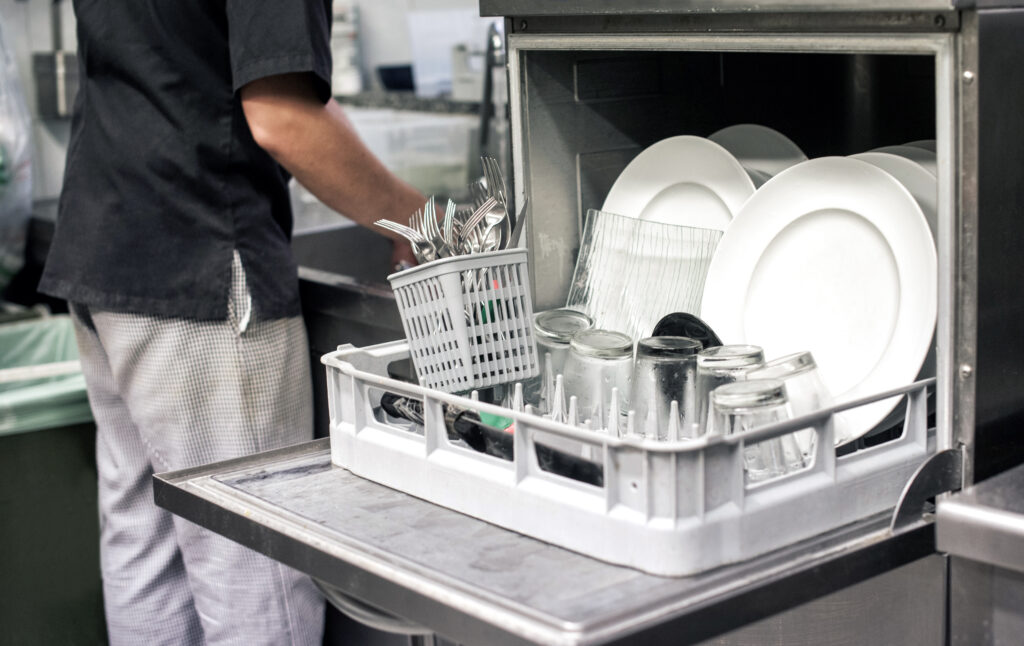
- Dishwashers: A dishwasher is a non-negotiable appliance in most American homes. It handles the bulk of dishwashing, freeing up hours a week.
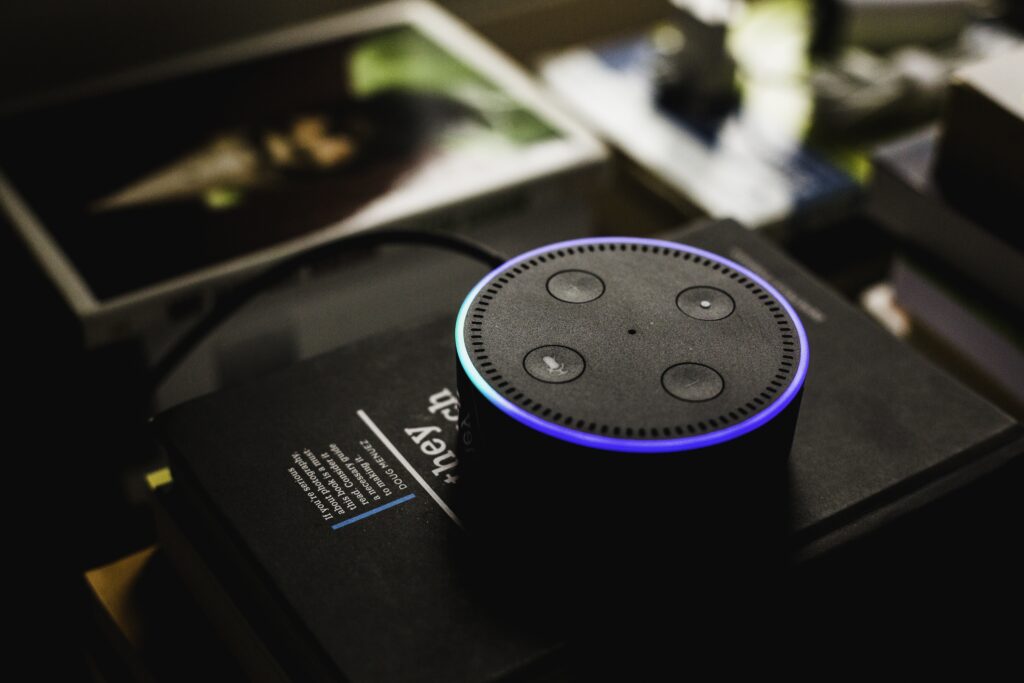
- Smart Home Systems (e.g., Alexa, Google Home): These devices can control a variety of appliances with voice commands, making it easier to manage tasks even when your hands are full. “Alexa, turn on the lights” or “Hey Google, start the washing machine” and even turn on the TV or open the window blinds. These smart home technologies have become part of the daily routine.
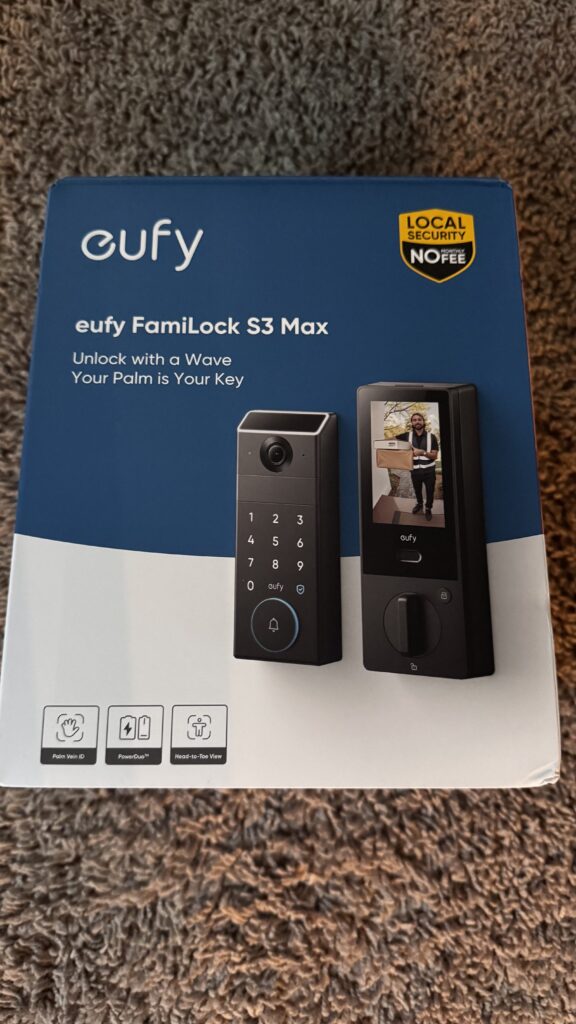
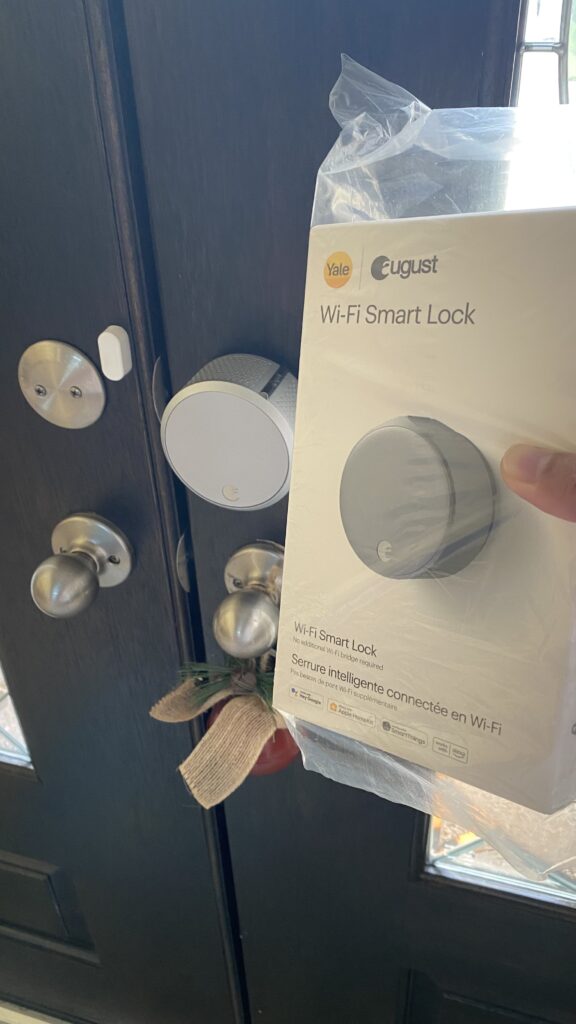
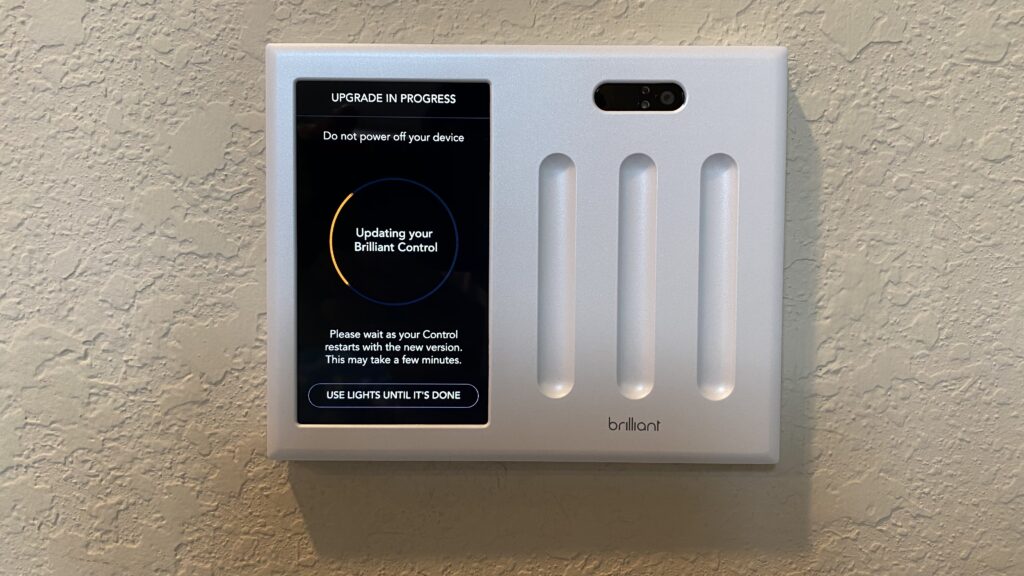
- Smart Locks & Thermostats: Smart locks provide keyless entry and greater security, while smart thermostats learn your habits to optimize heating and cooling, saving energy and effort.

- Lawn Care and Gardening: For outdoor maintenance, sprinkler systems can be automated, and professional lawn care services are widely available for a reasonable fee. This eliminates the need for manual watering and grass-cutting.

Cooking and Meal Management:
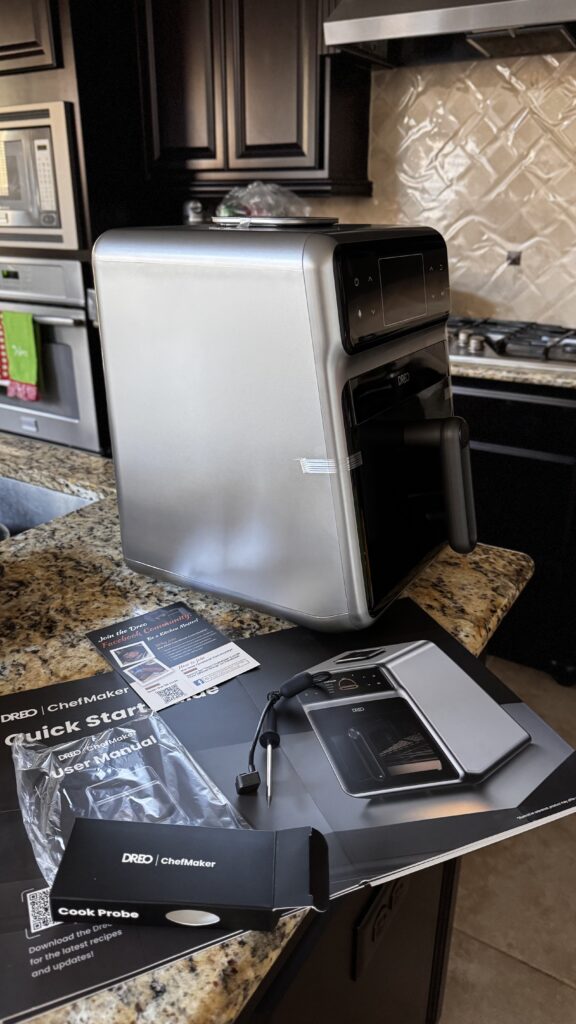
- Air Fryers and Ovens: These appliances simplify cooking. An air fryer can quickly cook meals with minimal oil, and many modern ovens have pre-programmed settings.
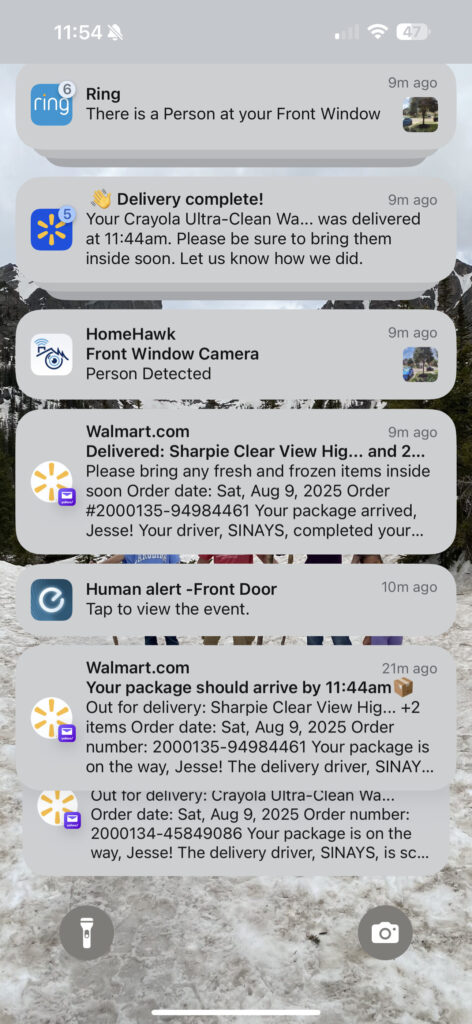
- Grocery Delivery Services: Services like Walmart+ with in-home delivery, HEB grocery pick-up, and Instacart are a game-changer. You can order groceries online and have them delivered to your door. While the option to have groceries put away is a premium service and less common, having them brought to the house and put in the refrigerator and freezer is a huge time-saver.
- Prepared Meals: Most grocery stores offer a wide selection of ready-to-eat meals, rotisserie chickens, and pre-cut vegetables. This allows the family to have a home-cooked feel with much less preparation. Although these meals are limited to American meals, there are Asian grocery stores usually available nearby.
Laundry:
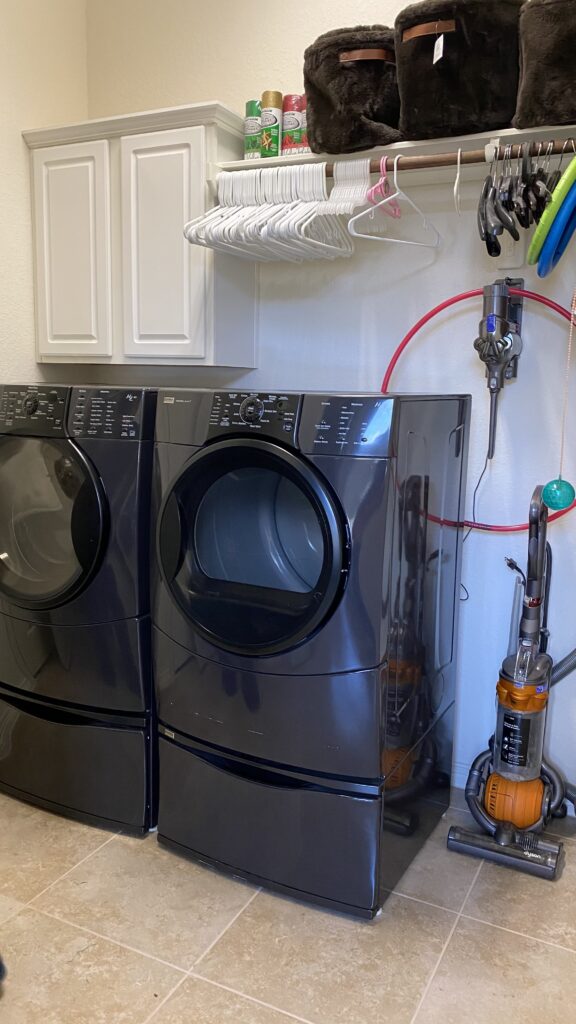
- Smart Washers and Dryers: Modern washing machines and dryers can be controlled by an app on your phone, allowing you to start a load from work and receive a notification when it’s done. This prevents clothes from sitting in the washer and getting musty.
A New Family Dynamic: The American Model
The “hard truth” is that the family must fundamentally change their approach to household management. The concept of a household being solely the mother’s or a helper’s domain doesn’t work in the U.S. All three family members, including the recently graduated child, will need to contribute.
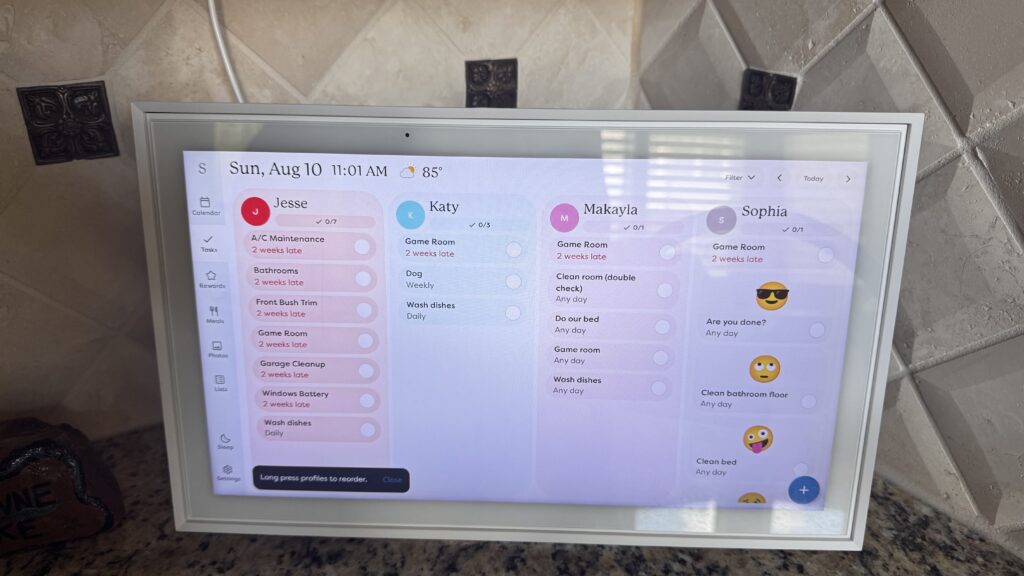
- Creating a Chore Chart: The family can create a chore chart to delegate responsibilities. The mother might be in charge of meal planning and grocery shopping, the father of lawn and home maintenance, and the child of laundry and dishes. This can be managed with a shared digital calendar or a whiteboard.
- “A Place for Everything”: A typical American practice is to put things away immediately after use. This prevents clutter from accumulating and makes the house feel cleaner without a daily deep clean.
- Communication is Key: The family needs to communicate openly about their new responsibilities and the challenges they face. They should be willing to adjust the chore assignments as necessary to ensure no one feels overwhelmed.
In addition to the immediate change of no longer having domestic help, the family will also need to adjust to the reality of being fully responsible for their home’s maintenance, a task that was likely managed by a full-time helper or outsourced to others. While many services are available in the U.S., they are a significant added expense and require proactive management.
The Cost of Convenience: Paid Services
In the U.S., many of the services that a full-time helper would perform can be outsourced to professionals, but this comes at a cost that must be factored into the family’s budget.
- Cleaning Services: Professional cleaning services are widely available, but they are an added expense. For a typical family home, a one-time deep cleaning can cost several hundred dollars, while a recurring weekly or bi-weekly service would be a substantial monthly expense.
- Home Maintenance and Repair: The family will be responsible for all home maintenance, from minor issues to major repairs. This is a significant difference from having a helper who might coordinate such services.
- HVAC (Heating, Ventilation, and Air Conditioning): Regular maintenance is crucial to keep these systems running efficiently and to avoid costly breakdowns. A single tune-up visit typically costs between $75 and $200.
- Plumbing: Simple plumbing issues like a clogged drain or a leaking faucet can quickly escalate. A plumber’s visit can cost anywhere from $150 to $500 for a minor repair, with more complex jobs costing much more.
- Electrical: From a broken light switch to a major wiring issue, electrical work requires a licensed professional. An electrician’s hourly rate can range from $50 to $130, with a minimum service call fee that is usually around $100 to $200.
- Lawn Care and Landscaping: Maintaining a yard, if they have one, can be time-consuming. While they can purchase equipment and do it themselves, professional lawn maintenance services are also an option and are common.
Utility and Internet Services
On the plus side, essential services like electricity and high-speed internet are widely available in the U.S. and are considered necessities rather than luxuries.
- Electricity: The family will need to become conscious of their energy consumption as electricity bills can be a significant monthly cost, especially with the use of air conditioning and heating. Smart home technologies, such as smart thermostats, can help them monitor and reduce energy usage.
- Internet: High-speed internet is essential for work, school, and social life. Various providers offer different speeds and plans, and the family will need to choose one that fits their needs and budget.
The Budgeting Mindset
The “hard truth” here is that the family needs to shift their mindset from a service-based domestic model to one of proactive financial management and shared responsibility. They will need to create a budget that not only covers their monthly expenses but also sets aside a “sinking fund” for inevitable home maintenance and repairs. A common rule of thumb is to budget 1% to 4% of the home’s value per year for these costs.
By leveraging technology for day-to-day chores, delegating responsibilities among family members, and proactively budgeting for outsourced services and maintenance, they can successfully navigate this major transition and maintain a comfortable home in the United States.
Support from Family in the United States
Family members who are already settled in the U.S. can provide invaluable support during this transition.
- Guidance on Technology: They can introduce the family to the various technologies and services available, and even help with the initial setup.
- Sharing Household Routines: They can share their own household routines and tips for managing chores efficiently.
- Cultural Mentorship: Family can help the parents navigate the new cultural landscape, from grocery shopping to understanding local community norms.
- Emotional Support: The move will be a huge adjustment, and having a support system to talk to about frustrations and successes is crucial for the family’s well-being.