Two Worlds, One Heart: When Home Follows You Across Oceans

12 Minutes Read Time
The morning Jofre stares at the immigration papers spread across his government office desk in Lezo, Aklan, he can’t help but think about the choice his parents made in 1994—and the choice they made for him. At 54, with the same calloused hands from decades of public service, he faces the same momentous decision his father had wrestled with nearly three decades ago. Mae, Jofre’s wife, counts and recounts their savings at her teller window at the rural bank, knowing that this move will drain everything they’ve built over the years. Their 22-year-old daughter Hannah is reviewing her nursing board exams in Iloilo City, and her success has opened a door the family never thought they’d walk through—at least not this late in their lives.
The difference is, this time, Jofre and Mae get to make the choice themselves.
The Weight of Being Left Behind
In 1994, when Jofre’s parents made their decision to immigrate to America, the mathematics of family reunification was cruel and simple. His father, an electrical engineer, and his mother, who had dedicated 30 years to teaching elementary students in their small Aklan town, could petition for their three youngest sons. But Jofre, at 22 and considered an adult, would have to wait—potentially decades—for his chance.
He watched his parents pack their lives into balikbayan boxes, his father carefully wrapping the electrical tools he’d used for twenty years, his mother tearfully folding the traditional Filipino dresses she’d worn to every school program. His three younger brothers, teenagers then, were excited about the adventure. Jofre smiled and waved goodbye at Kalibo airport, carrying the weight of being the one left to hold down the fort, to care for aging grandparents, to represent the family’s roots in Philippine soil.
Nearly thirty years later, as he looks at Hannah’s nursing diploma and the immigration papers that could finally reunite him with the brothers he hasn’t hugged since he was a young man, the irony isn’t lost on him. His daughter’s success could become his family’s second chance at the American dream—but this time, he won’t be left behind.
Life in Aklan: When Simplicity Feels Like Abundance
Their life between Lezo and Kalibo moves with the unhurried rhythm of provincial contentment. Jofre’s job at the municipal hall involves everything from processing business permits to coordinating community development projects. It’s the kind of work where relationships matter more than efficiency, where solving problems often means knowing which cousin works in which office, and where taking time to listen to a citizen’s concerns is considered part of the job description rather than an interruption.
Mae’s position at a national bank has made her something of a local celebrity—she knows the financial dreams and struggles of half the town. Farmers seek her advice on loan applications, young couples consult her about savings plans, and she’s watched children grow up to become her customers. Her teller window is less about transactions and more about being the trusted keeper of the community’s financial hopes.
Technology in their world operates on “Filipino time”—which is to say, it works when it wants to, and you adapt accordingly. Their internet connection is reliable enough for Hannah’s video calls from Iloilo City, but downloading anything substantial requires patience and prayer. Jofre still keeps physical files for all municipal records because “what if the computers crash?” Mae processes most bank transactions, enters them into the computer system, and sometimes, by hand, just in case —a redundancy that her urban counterparts would find absurd but that provides comfort in their small-town setting.
Yet life feels beautifully full. Jofre can step out of the government building in his worn polo shirt and jeans to buy lunch from Aling Mila’s karinderya, inevitably getting drawn into discussions about whose roof leaked during the last typhoon or which barangay needs a new basketball court. Mae can walk to the wet market after work in her simple blouse and slacks, stopping to chat with vendors who’ve known her since she was Hannah’s age.
Their two-story house sits in a neighborhood where privacy fences are unnecessary because everyone looks out for everyone else. Hannah, when she comes home from university, can study for her nursing exams on the front porch, occasionally interrupted by neighborhood kids asking for help with homework or by Tita Rosa bringing over fresh kakanin “for brain food.” The rhythm of provincial life accommodates these gentle interruptions—there’s always time for kindness, always space for community connection.
Aling Carmen, their longtime helper, wakes up each morning with the quiet efficiency of someone who has become family over her fifteen years with them. She knows that Jofre likes his coffee strong enough to power the municipal real property accounts, that Mae needs gentle reminding to eat breakfast when she’s stressed about bank audits, and that Hannah requires extra portions whenever she comes home from Iloilo looking too thin from student life.
The American Dream Deferred, Then Revived
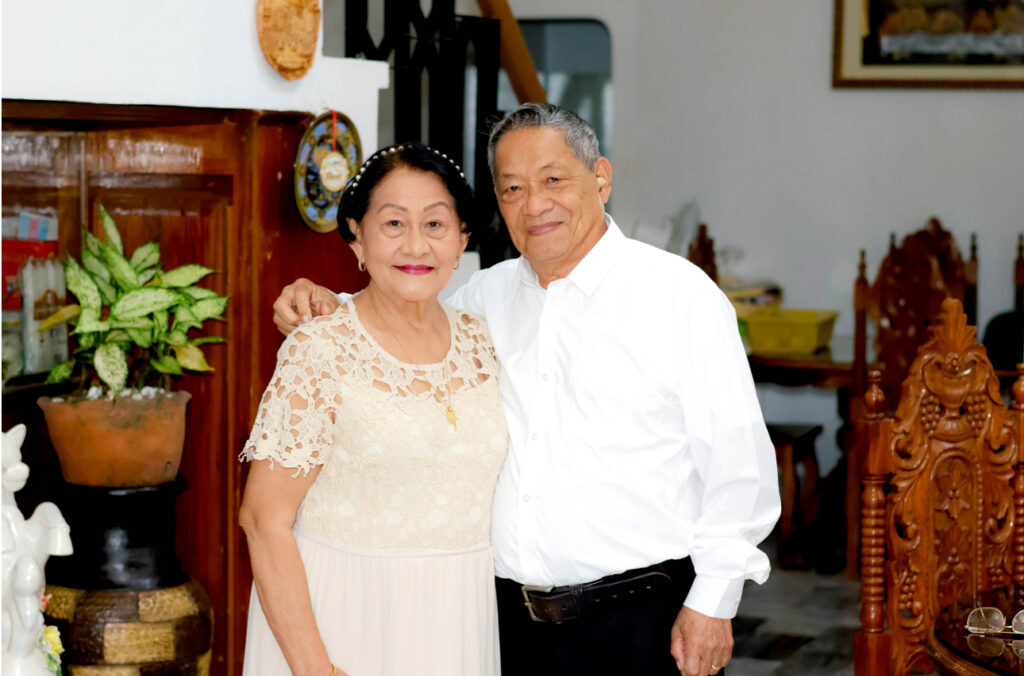
As Jofre watches Mae carefully organize their financial documents for the immigration interview, he thinks about the parallel lives his family has lived. While he was building a career in public service and raising Hannah in the familiar embrace of provincial life, his parents were now retired, still strong, and willing to take them to the United States, now with Jofre’s family.
His three brothers grew up American in ways Jofre never could. They speak English with Virgina and Texas accents, understand American cultural references, and have built lives that his parents’ sacrifices made possible. During video calls, Jofre sometimes feels like he’s talking to well-meaning strangers who happen to share his DNA—loving, but separated by decades of different experiences.
“Do you think we’re making the right choice?” Mae asks one evening as they sit on their front steps, watching their neighbor’s children play tumbang preso in the fading light. “Hannah could have a good life here. The hospital in Iloilo already offered her a position.”
It’s a conversation they’ve had dozens of times. Hannah could indeed build a comfortable middle-class life in the Philippines. But “comfortable” and “possible” are different things entirely. In America, her nursing degree opens doors to specializations, advanced degrees, and earning potential that simply doesn’t exist in their provincial setting. More importantly, it opens the door for family reunification that has been closed for nearly three decades.
Planning the Great Departure
Unlike his parents, who left with limited resources and unlimited hope, Jofre and Mae approach immigration with the careful planning that middle age and hard-earned wisdom provide. They’ve calculated the costs down to the last peso—visa fees, plane tickets, initial housing deposits, and the buffer needed for those crucial first months when everything will be unfamiliar and expensive.
Mae has already begun the process of transferring her banking skills, researching certification requirements, and practicing American banking terminology. Jofre studies online resources about American local government, trying to understand how his decades of municipal experience might translate to an entirely different civic system.
The hardest part is explaining the decision to Hannah, who feels the weight of her parents’ sacrifice in ways that make her question whether her dreams are worth disrupting their established life. “You don’t have to do this for me,” she tells them repeatedly, but Jofre and Mae understand something she’s too young to grasp yet: parents don’t make sacrifices for their children’s gratitude—they make them for their children’s possibilities.
What They’re Leaving Behind
The reality of what they’re about to lose hits them in waves. Mae will leave behind thirty years of relationships built one banking transaction at a time. Jofre will abandon a municipal career where his name is synonymous with honest public service. They’ll trade the house where Hannah took her first steps for an uncertain apartment in a foreign suburb.
Aling Carmen, now in her sixties, has become more family than employee. The thought of leaving her—or worse, of her struggling to find new employers who will treat her with the same respect and affection—brings tears to Mae’s eyes. The network of relationships that has defined their adult lives will be reduced to video calls and occasional remittances.
Hannah struggles with guilt and excitement in equal measure. Her nursing and board success is supposed to be the beginning of her independent adult life, not the catalyst for her parents’ most dramatic life change. Yet she also recognizes the opportunity her achievement represents—not just for her career, but for finally bridging the gap that has separated her father from his own family for three decades.
Anticipating America: Dreams and Fears
Based on stories from Jofre’s parents and brothers, they know some of what to expect. The technological conveniences will astound them initially—reliable internet, instant hot water, government services that work with predictable efficiency. Hannah’s nursing salary will hopefully provide financial security that they’ve never experienced, even with both parents working full-time.
But they also know the emotional challenges that await. Mae anticipates missing the daily interactions with customers and co-workers who have become friends over decades. Jofre worries about feeling useless in a country where his hard-earned expertise in Philippine municipal government will be irrelevant. Both fear the isolation that comes with suburban American life, where neighbors are polite strangers rather than extended family.
The food will be their deepest source of homesickness. Mae has already begun practicing Filipino dishes without the benefit of ingredients she’s taken for granted her entire life. Aling Carmen has been patiently teaching her cooking techniques she’s never needed to learn, writing down recipes that have lived in muscle memory rather than measured instructions.
They know they’ll miss the beautiful inefficiency of provincial life—the way every errand becomes a social visit, how problems get solved through relationships rather than customer service hotlines, how time stretches to accommodate human connections rather than rushing toward maximum productivity.
The Generational Bridge
What makes their upcoming journey particularly meaningful is how it will finally complete the circle broken in 1994. Hannah represents the bridge between the family her grandparents built in America and the life Jofre has maintained in the Philippines. Her nursing career becomes the pathway not just for her American dream, but for healing a family separation that has lasted nearly three decades.
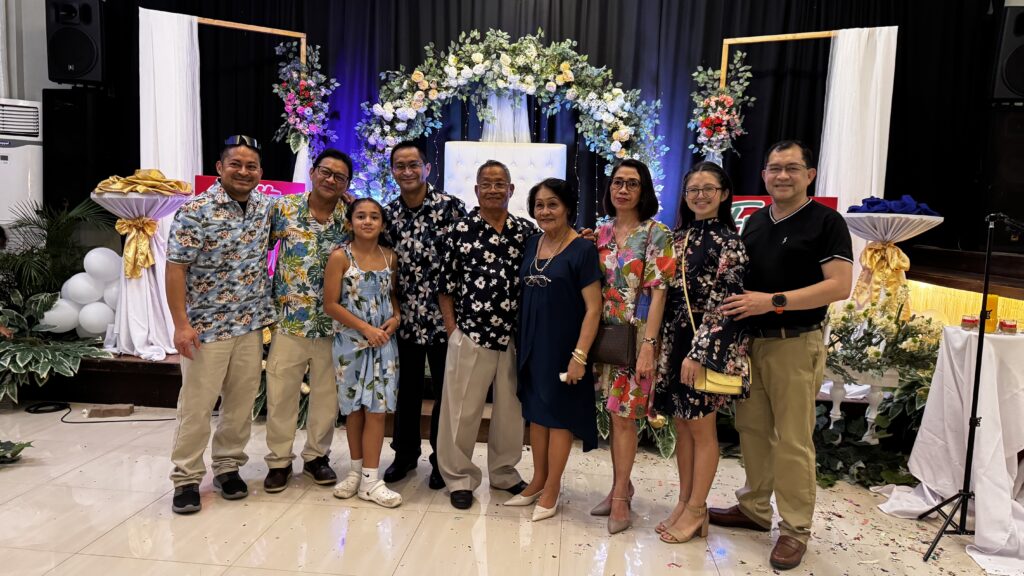
Jofre’s brothers, now American citizens with children of their own, are excited about the prospect of finally introducing their families to the brother who raised his daughter in the homeland they left as teenagers. Hannah will meet cousins she’s only known during short vacations, and Jofre’s parents will finally see their granddaughter’s new way of life as they transition from the simple and relaxed way of life in the Philippines to the busy and structured life in the US.
But the reunion comes with its complexities. Jofre’s brothers speak English as their primary language now; their children understand Tagalog but respond in American-accented English. The cultural gap that has grown over three decades won’t disappear overnight, and building relationships with family members who have become loving strangers will require patience and intention from everyone involved.
The Art of Late-Life Immigration
At their age, Jofre and Mae understand that this move isn’t about building entirely new careers or completely reinventing themselves. It’s about positioning Hannah for success while finally reuniting with family members who have become abstractions maintained through holiday video calls.
They’re not naive about the challenges ahead. Learning to navigate American suburban life at 54 and 52 will require humility and flexibility they haven’t needed since they were young adults. They’ll need to build new social networks from scratch, adapt to American workplace cultures, and find ways to maintain their Filipino identity while integrating into American community life.
But they’re also bringing advantages their younger selves wouldn’t have possessed. They have the patience that comes from middle age, the relationship skills developed over decades of marriage, and the clear purpose that comes from making sacrifices for family rather than just personal ambition.
What to Expect: Wisdom from the Waiting
For other families facing similar decisions, Jofre and Mae’s upcoming journey offers both hope and realistic expectations. Late-life immigration comes with unique challenges—learning curves feel steeper, adaptation takes longer, and the emotional ties to home run deeper after decades of community involvement.
But it also comes with unexpected advantages. You know who you are at 50+ in ways that 25-year-olds don’t. Your relationships are tested and proven, your values are established, and your ability to distinguish between inconveniences and actual problems is finely tuned. You’re immigrating not to find yourself, but to position your family for opportunities that simply don’t exist at home.
The professional challenges will be real but manageable. Mae’s banking experience will translate more easily than Jofre’s government work. Still, both will need to approach their American careers with the humility to start over while leveraging the wisdom they’ve gained through decades of Philippine professional life.
The emotional challenges will be more complex than anticipated. Missing family celebrations, trying to maintain relationships across time zones, and watching your adult child navigate American professional life while you’re still learning basic cultural norms requires emotional resilience and the ability to find joy in small victories.
Most importantly, success won’t be measured in typical immigration metrics—salary increases, house purchases, or educational achievements. Success will be measured in family reunification, in watching Hannah thrive in opportunities that didn’t exist in Aklan, and in finally bridging the gap between the life left behind and the family that moved forward.
Immigration at this stage of life isn’t about pursuing the American dream—it’s about completing a family story that began with hard choices made by the previous generation. It’s about ensuring that the sacrifices made by Jofre’s parents, and the patience demonstrated by Jofre and Mae together, finally result in a family reunited rather than permanently divided by geography and immigration timing.
Home, they’re about to discover, isn’t just the place where you’ve built your life—it’s also the place where your family can finally be whole again.